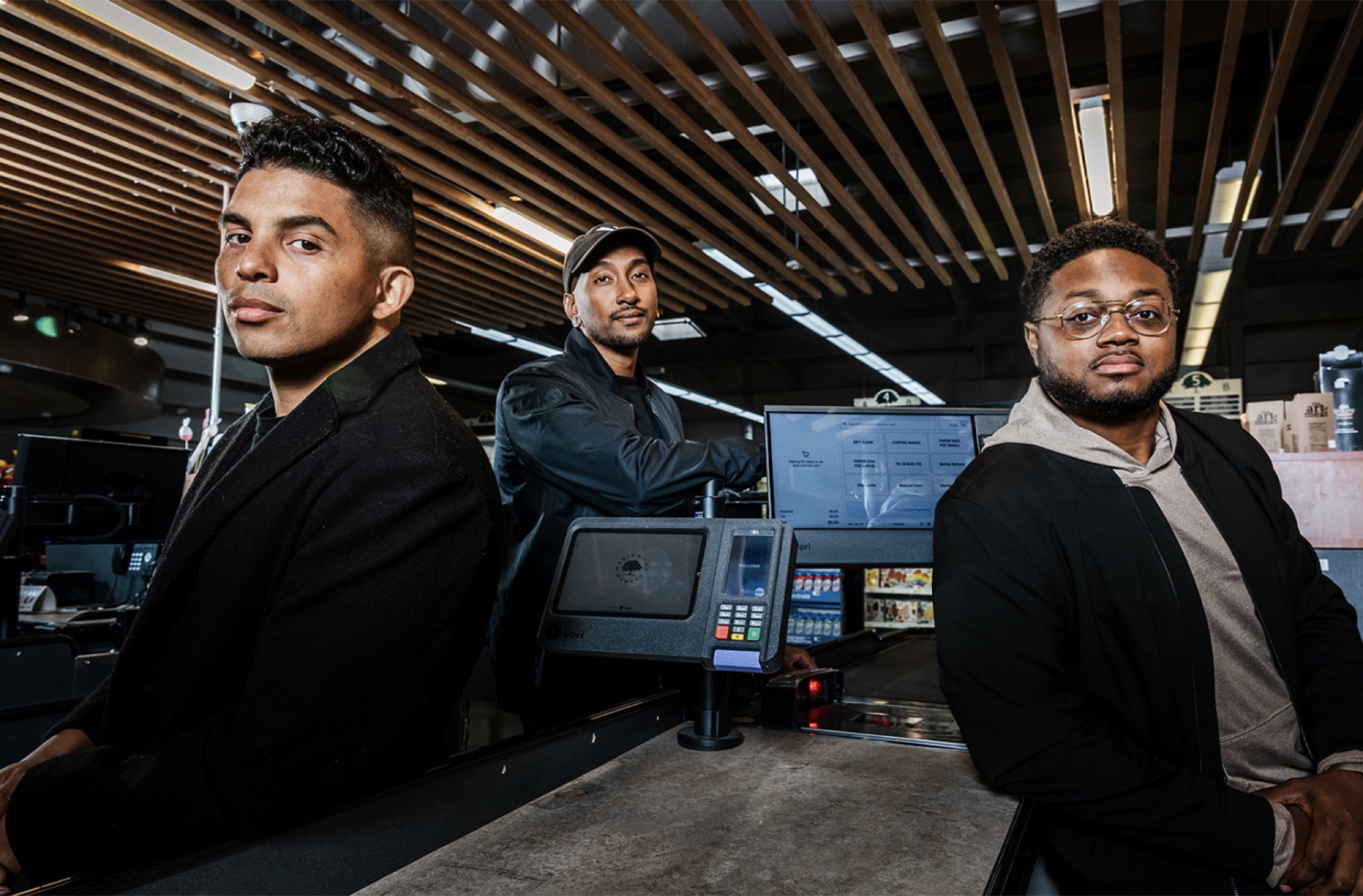
Building the Operating System for How America Feeds Itself
Announcing our $22M Series B, bringing our total funding to $50M — and a look behind the register at what we're building.
Stores live
140
Across 55 cities
Customers served
1M+
Shoppers through the network
Payment volume
$500M+
Processed since launch, Jan 2024
Net dollar retention
>100%
Extremely sticky customer base
Payment volume doubled in the last six months. A new store goes live every twenty-four hours. The revenue we used to close in a year, we now close in a month.
Behind those numbers is a $1.5 trillion market that Walmart and Amazon have decided not to serve — the 210,000+ food and beverage retail locations that account for the other three-quarters of U.S. food retail. They are load-bearing institutions in the American economy, and they are running on technology from the 1980s. The median grocer nets 0.7% profit. The gap between the scale of these businesses and the quality of their tools is our precise opportunity.
Vori is the operating system the last $1 trillion of retail has been waiting for.
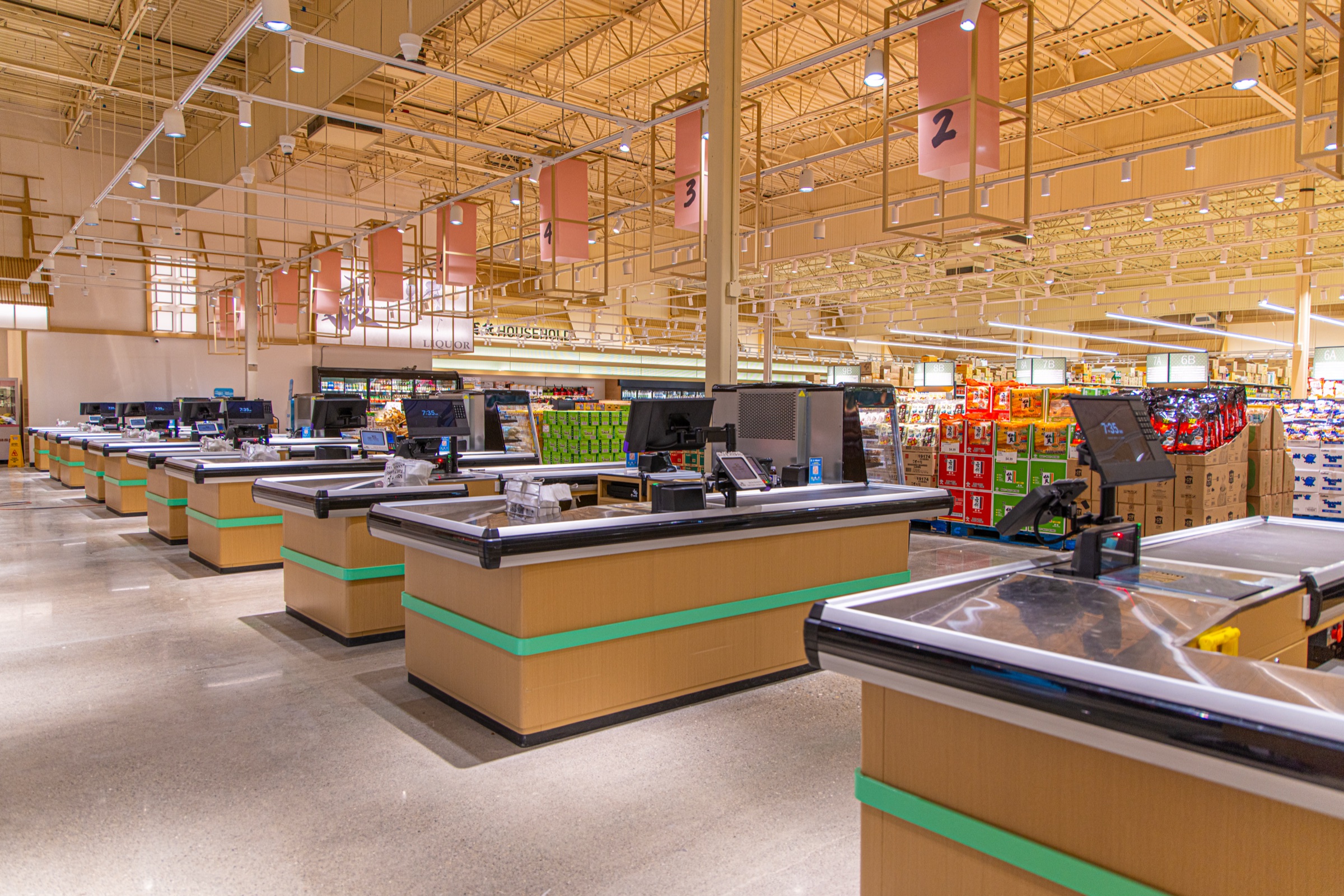
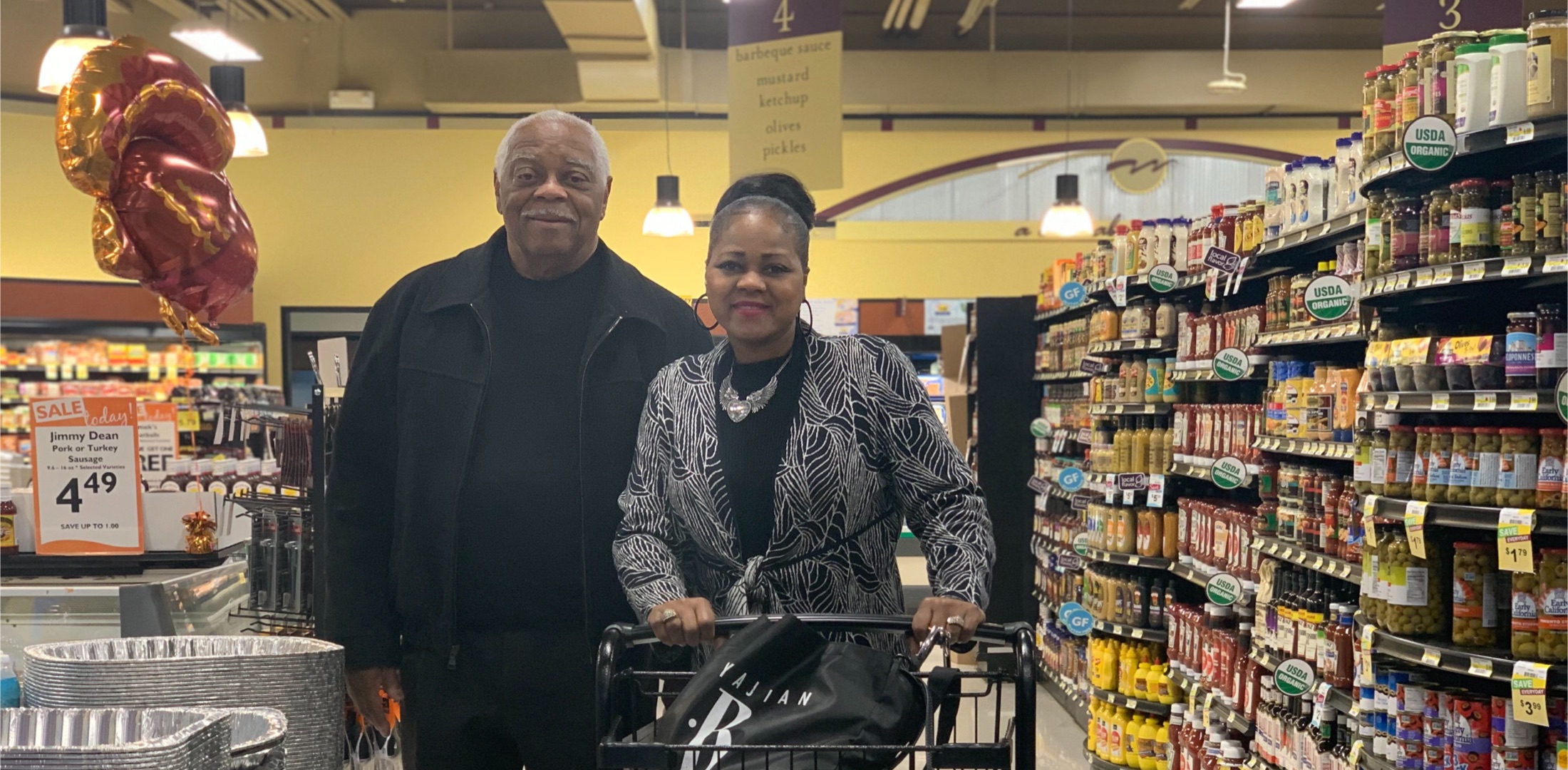
Live Vori customer · Asian Family Market — Tukwila, WA
Contents · 12 min read
8 chapters
IThe Trillion-Dollar Race2 min
IIThe State of Things2 min
IIIThe Engine for Grocery2 min
IVWhat Happens When It Works2 min
VThe Economics1 min
VIWhat Comes Next1 min
VIIA Founders Note2 min
VIIIWe're Hiring→ min
Why Now: The Technology
Four things have changed in the last 24 months that make this the moment to build the operating system for grocery — and make it possible to build at all.
01
AI can finally reason over the operational reality of a grocery store.
A grocery store does not run on clean structured data. It runs on 20-page paper invoices from 3,500 different distributors, weekly cost fluctuations on 40,000 SKUs, variable-weight produce, state-specific WIC catalogs, and supplier formats that change vendor by vendor. This is the exact mess that broke every previous attempt to digitize the industry. Three years ago, software could not parse it. Modern AI handles it natively.
02
Vertical integration is the winning shape of this era.
When the marginal cost of writing software falls, the companies that win are the ones that combine software with everything software alone cannot do: payments rails, hardware, regulated workflows, and proprietary data that compounds with use. The category-defining companies of this era — DoorDash, Ramp, the next generation of vertical AI platforms — are powerful software layers that act as systems of execution. Grocery is the largest unclaimed surface for the next one.
03
The durable advantages are the ones a well-funded engineer cannot reproduce.
Years of in-store immersion. State-by-state government payment certifications most fintechs do not attempt until they go public. Thousands of live vendor integrations that auto-expand with every new store. A pricing and ordering data corpus that grows with every transaction across the network. In an era when anyone can write software, the moat is everything software alone cannot do.
04
Demographic shifts at scale are driving an overhaul of the retail experience.
Teen Vogue reports: “IRL grocery shopping is in style again: data from 2025 shows that despite the rise of quick delivery apps, 88% of shoppers today prefer to go to stores in person.” Gen Z — the fully digital generation — is leading the shift: per Deloitte (Q3 2025), 73% of Gen Z shop in person at least once a week, a higher rate than Boomers, and they over-index on local and specialty grocery while millennials lead online adoption. Underneath sits a generational handoff at scale: tens of thousands of SMB operators are retiring this decade and passing their stores to tech-native kids who refuse to inherit 1990s software.
This is why the largest retailers on earth are moving now.
Every major technological revolution in retail has produced a dominant company worth hundreds of billions of dollars. Manufacturing created the department store. Railways created Sears. Microprocessors and supply chain systems created Walmart. The internet created Amazon. Each time, a new technology made a previously impossible business model viable, and the company that built for it first became the defining institution of its era. Artificial intelligence is the next shift. And the largest retailers on earth are already betting everything on it.
Walmart
$1T+ MCAP
$1B
Spending to install electronic shelf labels across all 4,600 U.S. stores by end of 2026 — triggered by a single Ohio team leader reporting a 75% time savings on pricing duties.
Amazon
$2.6T MCAP
230k sqft
New Orland Park, IL store — 30% larger than the average Walmart Supercenter. Construction starts this year, opening 2027. Amazon's most direct challenge yet to Walmart's physical retail dominance.
These are not speculative bets. Grocery is massive, important, and lindy. Walmart's grocery business generated $276 billion in net sales last year. Amazon's grocery operations exceed $150 billion in gross sales. Together, Walmart and Amazon capture roughly 25% of U.S. grocery spending. They are investing billions because they understand this thesis: the AI era will produce a retail opportunity worth a trillion dollars or more.
But neither Walmart nor Amazon are building technology for the other 75% of the market.
Walmart's AI, shelf labels, and supply chain systems are all proprietary and internal. Amazon's supercenter technology is built exclusively for Amazon stores. Neither company has any incentive to arm the other 210,000 grocery stores in America with the capabilities they've spent billions developing for themselves. The 75% of the U.S. grocery market that is not Walmart or Amazon (doing $1.1 trillion in annual sales) has no path to these capabilities unless someone builds for them. We're building that platform.
Capital efficiency
Walmart is spending over $1 billion to deploy a single feature (electronic shelf labels) across its stores. We deploy real-time pricing with electronic shelf labels as one component of a comprehensive operating system that also runs checkout, payments, ordering, inventory, and loyalty. What the largest retailer on earth needed a billion dollars for, we achieved as part of an integrated platform with $50M in total funding. Vori's next $100 million of capital will accelerate us into a position that would cost any new entrant years and billions to replicate.
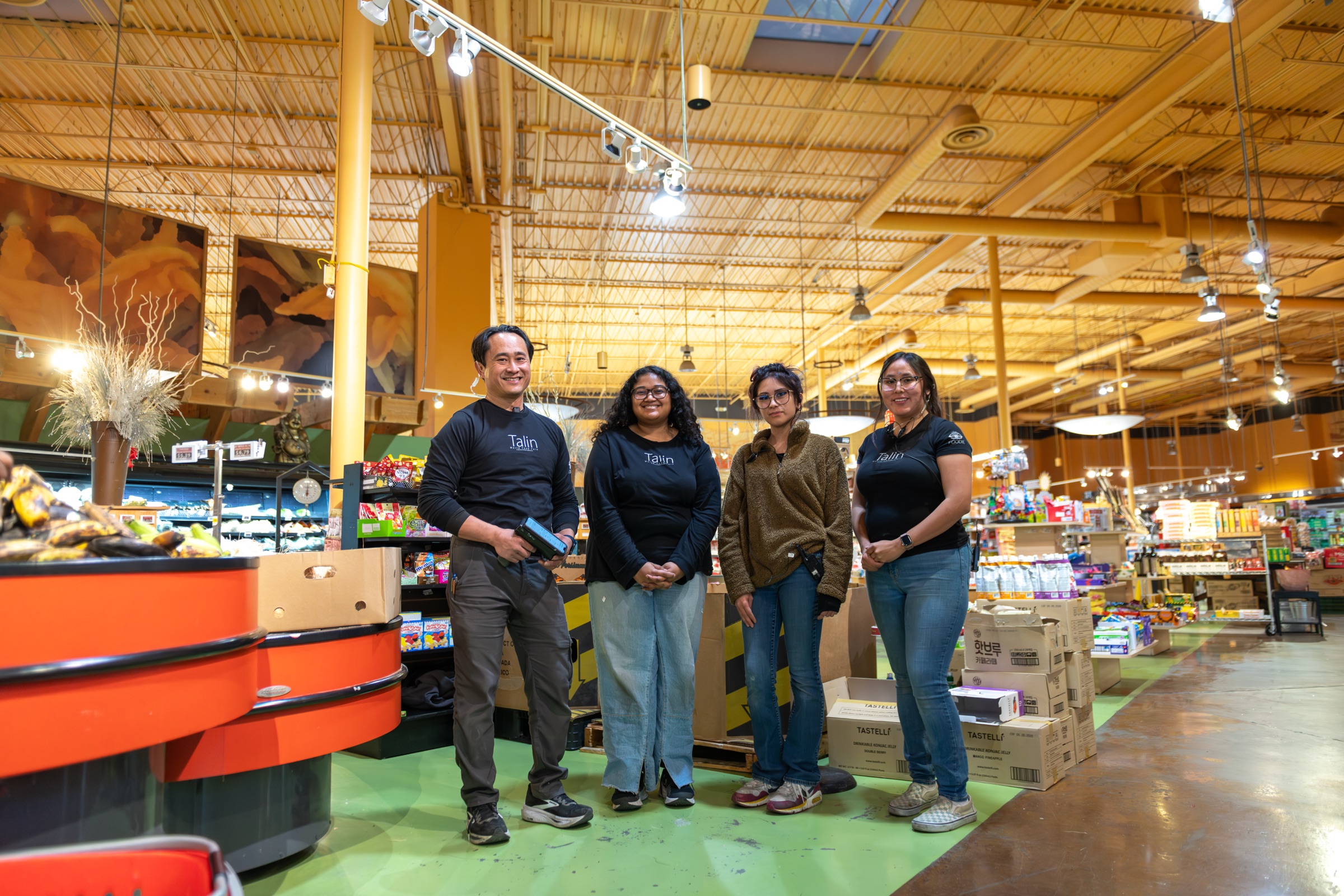
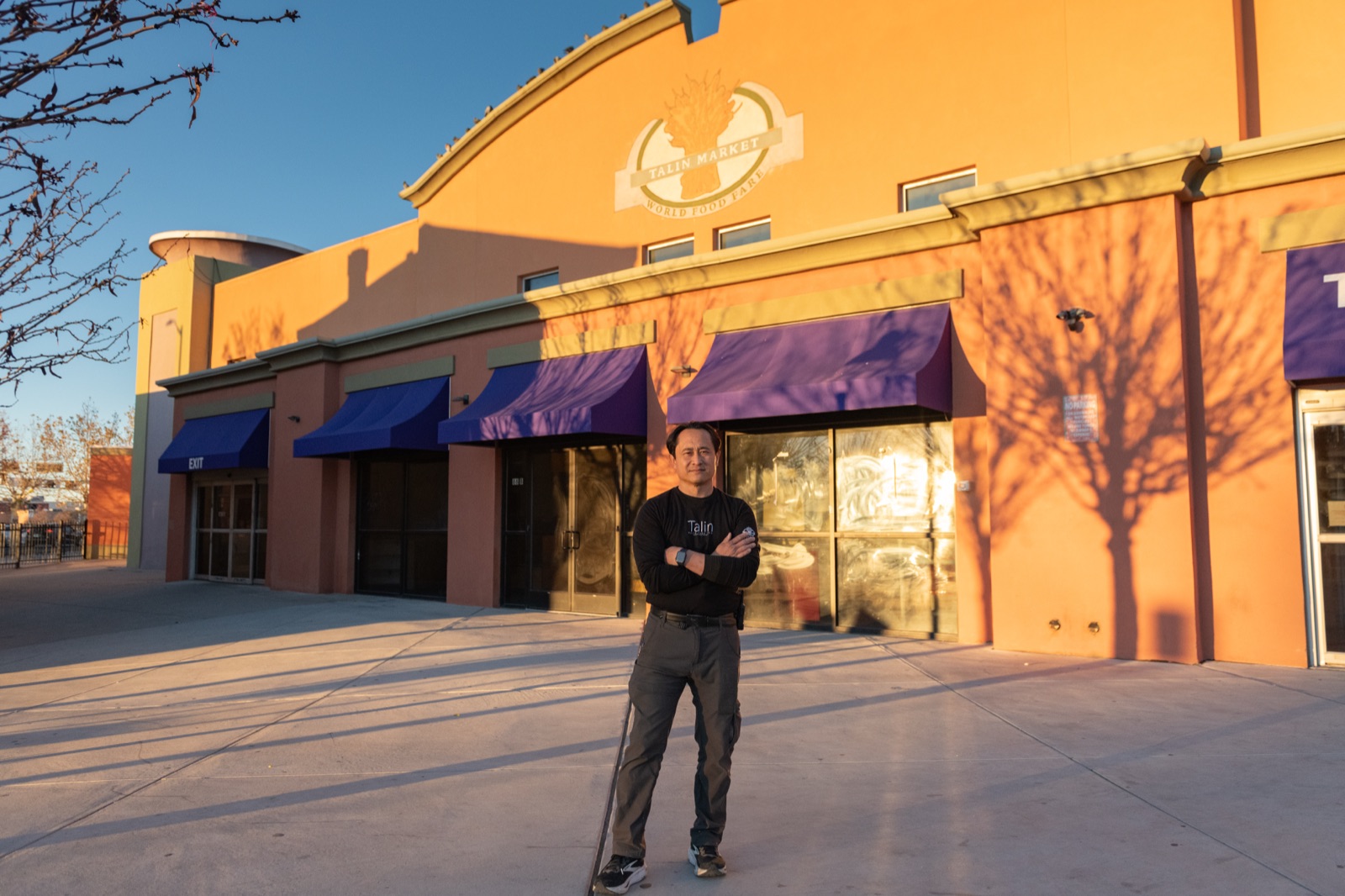
Field Note — Talin Market, Albuquerque NM
Victor Limary runs New Mexico's largest international supermarket — built by his parents over four decades. He's an engineer by training. And even he couldn't keep the technology running.
Victor Limary
Director of Operations, Talin Market
The Market
When a grocery store anchors a commercial block, other businesses follow. Restaurants open. Banks extend credit. Commercial developers offer free rent to grocery operators because they understand what an anchor tenant does: it creates the foot traffic and community trust that makes every other business on the block viable.
U.S. food retail is a $1.5 trillion market, accounting for 4.8% of GDP and 28% of all U.S. retail. Within that, independent grocery stores represent a $253 billion domestic segment that is growing. 210,000+ food and beverage retail locations supporting 2 million jobs. Grocery is bigger than the restaurant industry and bigger than hotels. In 44% of U.S. counties, at least half of all food retailers are independent grocery stores.
These stores are load-bearing pillars of local economies. And yet the technology behind these massive, nationally critical businesses is a time capsule. Support happens through ticket queues and the software rarely updates. There is no dominant modern platform in grocery POS. No Square for grocery. No Shopify for supermarkets.
0.7%
Median grocer net profit. Over a third lose money.
$48B
Industry-wide losses from pricing errors each year.
$82B
Sales lost to out-of-stocks annually.
The gap between the scale of these businesses and the quality of their tools is the opportunity.
Four structural forces converging simultaneously.
01 —The payment shift is complete
Card usage in grocery has grown from under 50% in 2000 to 76% today. Processing fees running 2–4% per transaction are now the highest operating cost after labor and rent.
02 —Labor has crossed a threshold
Total expenses climbed to 25.8% of sales, with labor at 16.3% of net. That's margin destruction at a time when margins cannot absorb it.
03 —The Great Ownership Transition
By 2035, ~6M SMBs face ownership transitions as boomers retire — up to $5T in enterprise value. Incoming owners grew up with smartphones and zero patience for paper and faxes.
04 —Global instability is accelerating
Tariffs, supply chain shocks, and inflation repeat the COVID dynamic — the stores that weathered it best could see their data in real time. The next wave rewards the same capability.
These four forces compound.
As more customers pay by card, stores finally have detailed transaction data. Labor pressure creates the urgency to automate. Ownership transition creates the willingness to adopt. Global instability makes the cost of inaction existential. The stores that modernize in the next 24–36 months will define independent grocery for the next generation. The platform that wins them will be extraordinarily difficult to displace.
Chapter III · The Engine for Grocery
An AI-native operating system for the grocery store.
One platform, one database, one login.
Vori replaces five to seven disconnected systems — checkout, payments, pricing, ordering, inventory, invoice reconciliation, shrink tracking, and loyalty — with a single platform. Where grocery store staff currently spend the majority of their time on file transfers, spreadsheet hacking, and copying between systems, Vori automates the work and gives those hours back.
2×
Payment volume — past six months
24h
New store goes live every 24 hours
12×
The revenue we closed in a year, we now close in a month
Three Systems in One
Architecture
01
The read path
System of Record
Every SKU, cost, wholesale supplier relationship, and transaction in the store — unified in a single database. One source of operational reality where grocers previously maintained fragments.
02
The write path
System of Action
AI agents that turn data into autonomous decisions — pricing updates, purchase orders, inventory adjustments, targeted offers. Vori proposes, executes, and commits real business decisions in real time.
03
The money path
System of Transaction
Every dollar that flows through the store — payments, invoicing, reconciliation — processed through the same platform that manages operations. 70% of Vori's revenue.
No legacy vendor operates across all three layers. No horizontal platform has the grocery depth to reach the first.
The same complexity that makes this hard to build is what keeps horizontal AI platforms out.
The part that is hard has nothing to do with writing code. It is knowing which code to write, and that knowledge only comes from years inside the store.
Variable-weight items require certified scales with live price lookups. Perishable inventory demands forecasting models that account for local weather, regional holidays, and supplier lead times that change weekly. Age-restricted products trigger compliance checks at the register. Bulk goods require tare-weight calculations. Deli and prepared food modifiers create order complexity that rivals full-service restaurants — except the same system also has to handle forty thousand shelf-stable SKUs in the next aisle. Every engineering decision touches a live retail environment where a bug could mean a family doesn't get their groceries.
Payments are the hardest engineering surface in grocery. Each government benefit type — EBT, WIC, HSA, FSA, OTC — requires state-by-state certification through a patchwork of agencies. WIC alone restricts purchases to a list of approved products that varies by state, meaning the system must validate every item in a transaction against a state-specific regulatory database in real time at the register. Most fintech companies don't build for government payment types until they're publicly traded, if then. We had to build for them first.
This is why four years of in-store immersion preceded a single line of production code. The grocery store demands the engineering standard of autonomous vehicles, rocket propulsion, and payments infrastructure.
Chapter III · The Engine for Grocery
The Autonomous Grocery Store
By end of 2026, Vori will be the first system capable of managing a grocery store's operations end-to-end with minimal manual coordination. The store owner sets strategy. Vori executes.
Agent · Pricing
A full-time Big Box pricing analyst in every store's pocket.
Reads all paper invoices from wholesale suppliers, detects cost fluctuations, triggers price updates, pushes them wirelessly to electronic shelf labels.
Agent · Shopper Marketing
Custom offers tailored to each individual shopper.
If a shopper buys produce but never visits meat, the agent drops a complementary steak & seasoning coupon — expanding the basket into new departments.
Agent · Inventory
Real-time accuracy without manual counts.
Updates inventory based on what's received at the back door and sold out the front — continuously, autonomously, no paper logs.
Critically, Vori's AI compounds across every store simultaneously. An independent operator on Vori inherits the operational intelligence of 140 stores. At 600, that intelligence corpus becomes unreplicable.
The Trade Network
3,500+ wholesalers, distributors, and DSD vendors — flowing automatically.
Electronic catalogs, price lists, invoices, promotions, and credit memos. Every new store immediately benefits from the pricing knowledge, trend data, and sales forecasting the network already accumulated. New vendors auto-connect — Vori processes whichever documents the supplier already produces (PDF, Excel, price lists) and converts them into structured data the store can act on immediately.
The Hardware
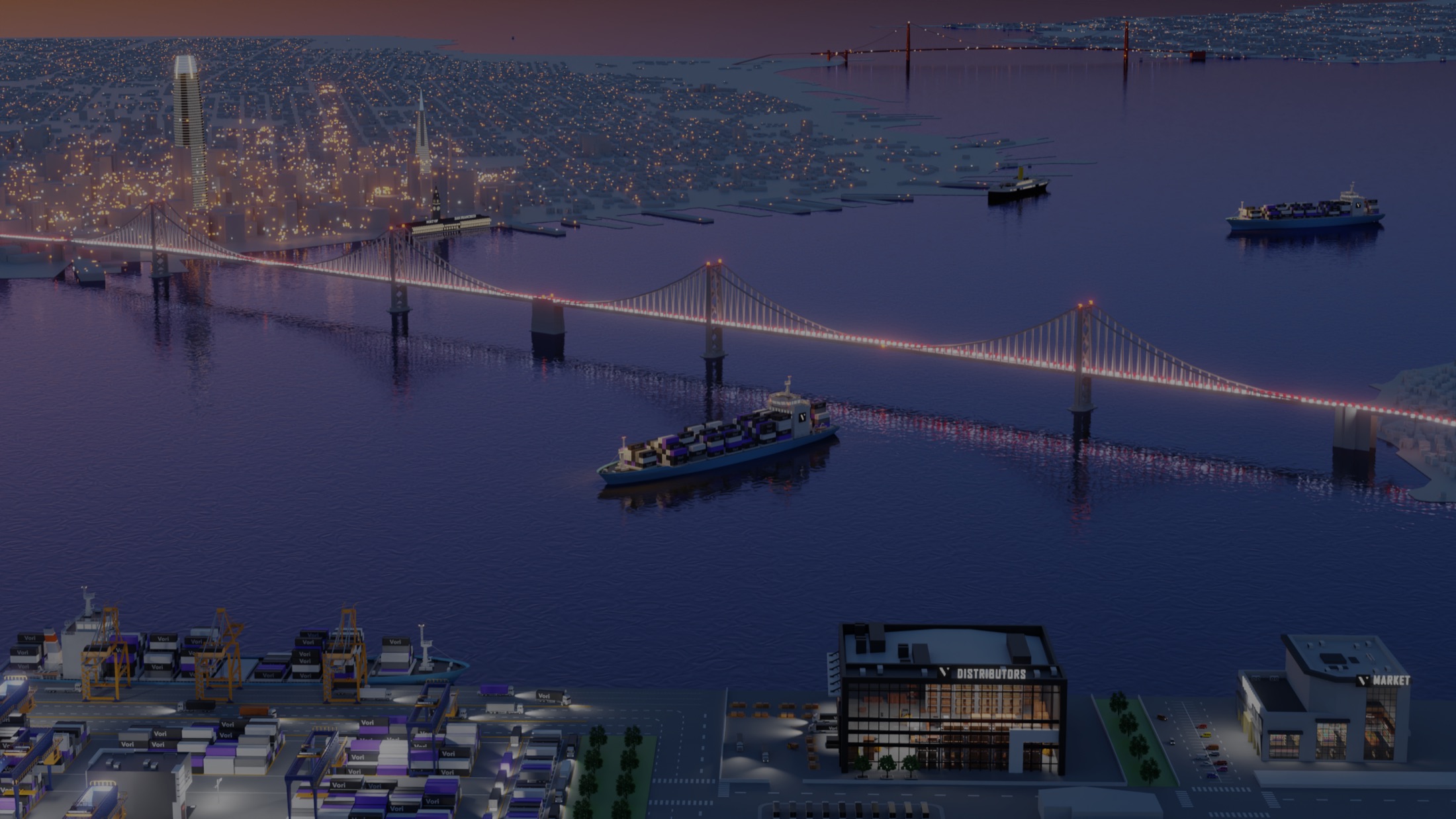
A hardware-enabled software company, shipping out of San Francisco.
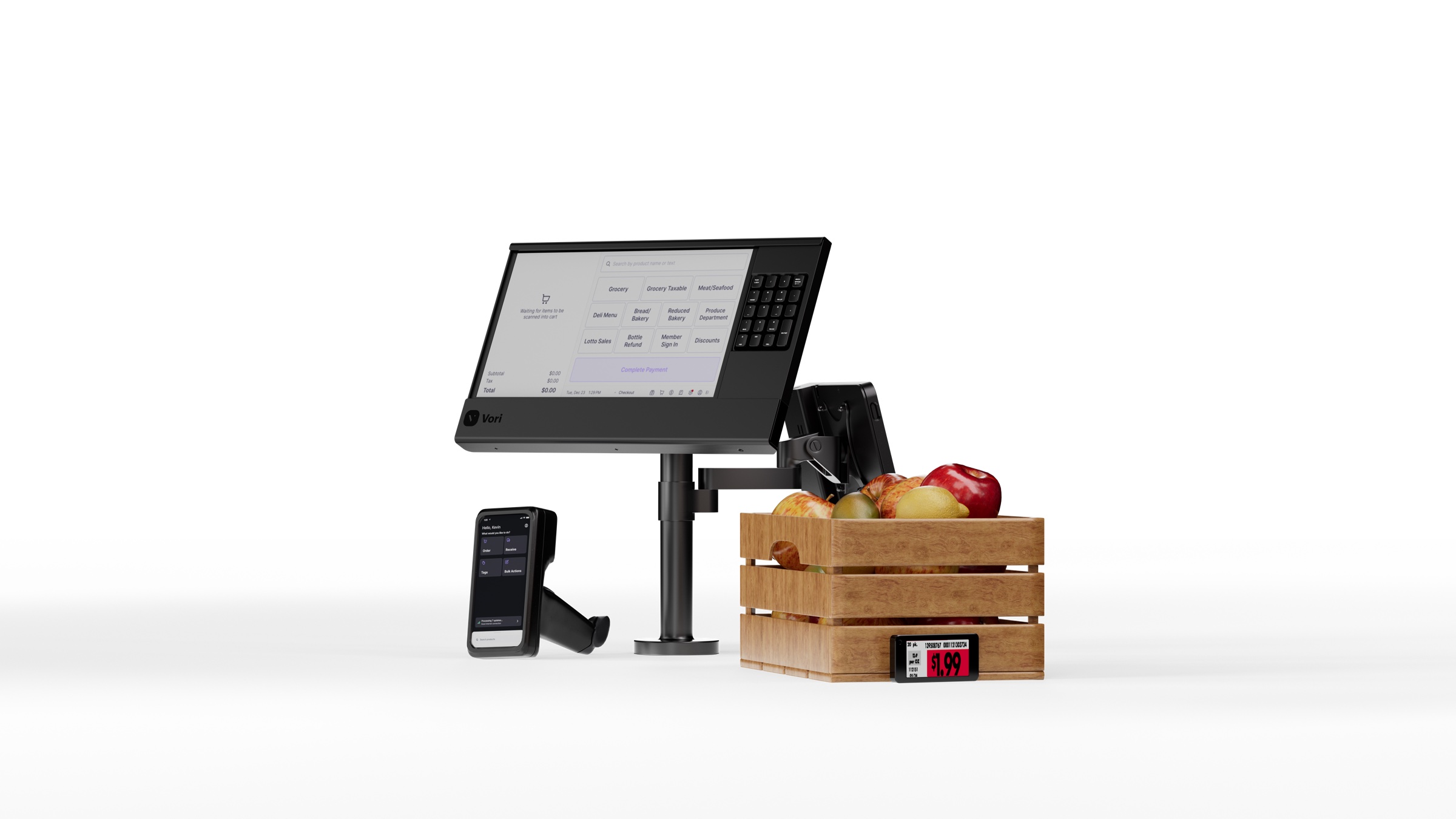
Custom cashier displays with physical numpads — a physical keypad is faster than tapping a touchscreen when you're punching in codes thousands of times per day. Certified scales, pin-pad terminals, shopper-facing displays, handheld scanners for the back of house, deli scale scanners, and electronic shelf labels. Customers consistently describe the experience as something that feels “modern” — an upgrade they can see and feel from the moment the system goes live.
Chapter IV · What Happens When It Works
“We're going to find the margin you didn't know you were losing.”
Our first act in a new store is essentially a health check: right-size every price in the catalog. The discovery is usually that the store has been selling its entire produce department below what it paid. Our goal is to double your net profitability.
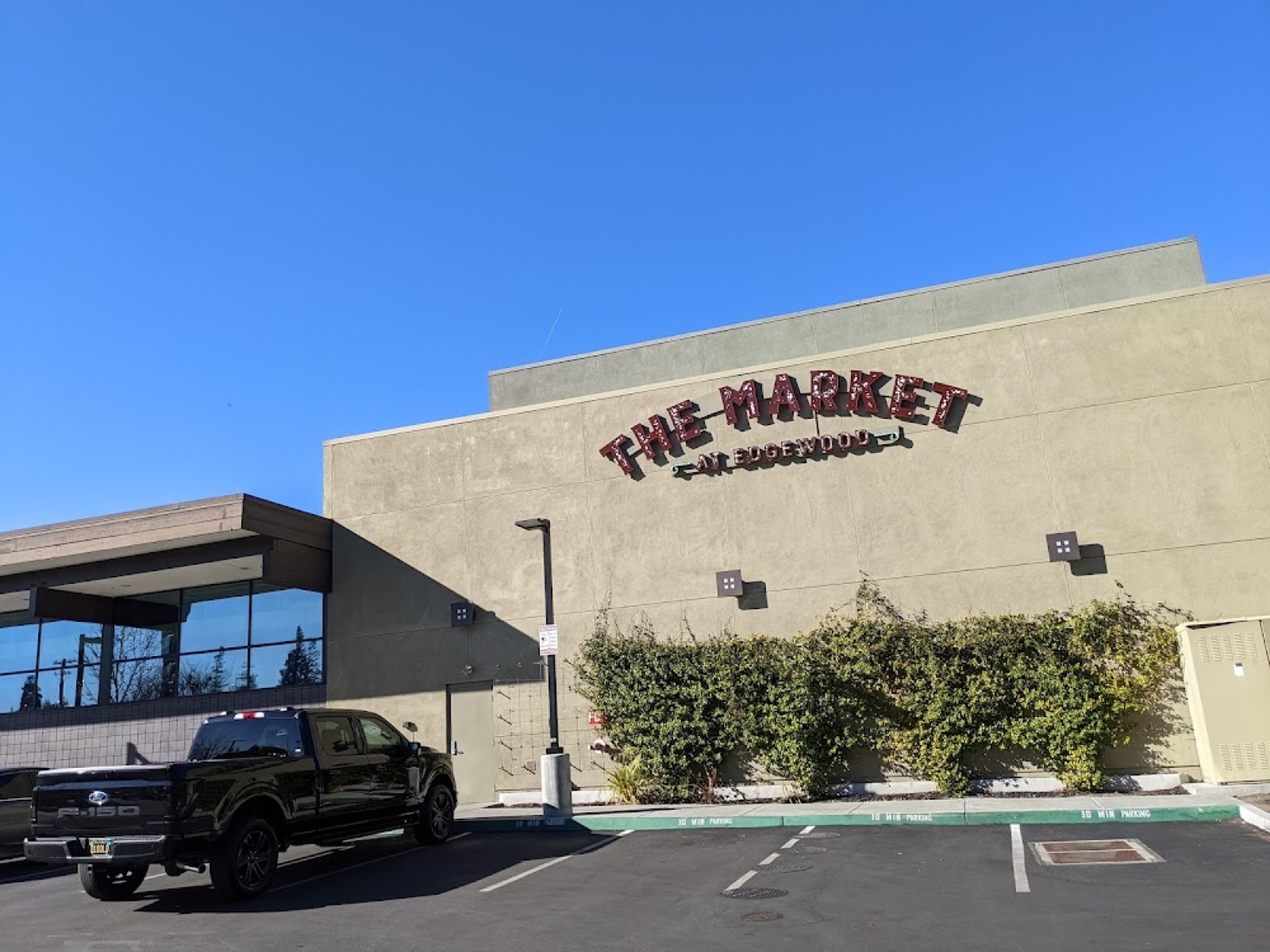
Case 01 · Palo Alto, CA
The Market at Edgewood
Switched from NCR Encor (the newest model available) to Vori in late 2024. Within 5 months:
+23%
Increase in net sales from loyalty integration and targeted marketing
+7%
Improvement in gross margins from pricing discipline and automated invoice checks
2
Full-time employees repurposed from manual data entry to customer-facing roles
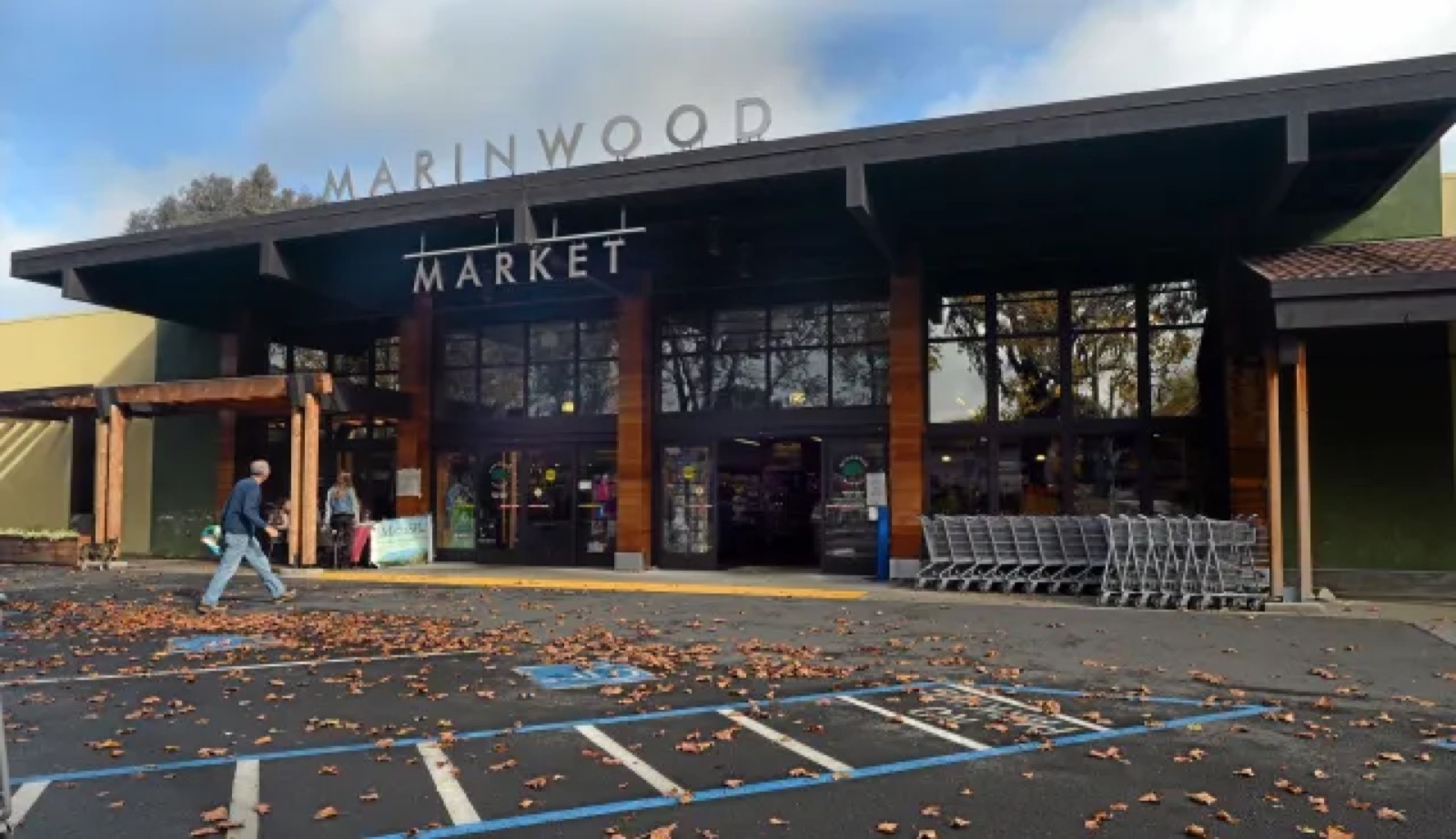
Case 02 · San Rafael, CA
Marinwood Market
Switched from NCR Encor to Vori in May 2024.
+$117k
Estimated annual savings on labor previously spent on price updates and new item review.
“We cannot say enough about the back office aspect of Vori. It has saved us countless hours a day on invoices. The price changes and adding new items is a breeze.”
— Kara Atkinson, Marinwood Market
Case 03 · Albuquerque, NM
Talin Market
Switched from RORC + BR Data to Vori.
95%
Cut in pricing time
67%
Reduction in weekly ordering time
“We are almost a year into using Vori, and I cannot imagine ever going back the other way.”
— Victor Limary, Director of Operations, Talin Market
Aggregate platform results · Across 140 stores
+20%
Net sales lift after switching to Vori — driven by pricing discipline, loyalty-led basket growth, and automated replenishment.
2×Gross margin doubles
+6.5%Basket size
+9.6%Visit frequency
90→5 minWeekly ordering
Net sales lift · months since activation · median across cohort
Every additional store deepens the network intelligence. At 600 stores, that operational corpus becomes unreplicable.
Over 85k locations in our immediate serviceable obtainable market. Another 120k waiting for us as we expand up and down market. At our current AI/SaaS subscription + payments revenue per store, the domestic A-format market alone supports a multi-billion-dollar platform. The smaller-format long tail extends the opportunity further.
Volume
$500M+ in payment volume since launch just 2 years ago
Coverage
140 live stores across 55 cities
Velocity
2–4 week sales cycle, <30-day implementation
Retention
>100% net dollar retention — extremely sticky customer base
The Category
Toast proved the vertical platform model in food service. DoorDash built infrastructure for food delivery and has a $60B+ market cap. Ramp built AI-native financial operations and is being valued over $30B in private markets. In each case, the market recognized these companies not for multiples on revenue but for building critical infrastructure in massive markets where incumbents were failing. We are building critical infrastructure for a market larger than any of these — and we are the only private-market opportunity to own it.
Amazon Go, Grabango, Standard Cognition, AiFi, Mashgin, Trigo, Zippin — a generation of companies poured more than $3 billion into trying to fix grocery by eliminating the checkout line. Amazon alone spent roughly $1 billion per year in 2019 and 2020 on Just Walk Out. Grabango shut down. Amazon closed every Go store in January. The survivors retreated to stadiums, airports, and convenience — anywhere but grocery. Checkout was never the problem. The problem is everything that happens before and after checkout: pricing, ordering, inventory, invoices, and margins. That's what we built for. And we built a better checkout experience along the way.
The real competition is fragmentation itself. A grocer running on fragmented systems has “built” a technology stack through accumulation. The result is that 60% of their staff time is spent on file transfers, spreadsheet hacking, manual re-keying, and copying data between systems that don't talk to each other.
Chapter VI · What Comes Next
Each stage of growth unlocks new layers of intelligence — and new revenue — that would be impossible in fragmented systems.
Now · 2026
Win grocery.
Own the single-store and small-chain market. Build density in regional clusters. Every satisfied customer creates ten curious prospects.
Next · 2027
Embedded financial services.
Bill pay inside Vori. Payroll, scheduling, compensation. Working capital loans before holidays or weather emergencies.
Then · 2028
Full autonomy.
Automatic pricing, markdowns, replenishment, targeted offers, real-time reporting. A store that runs itself between strategic decisions.
Horizon
Beyond grocery.
Pharmacies, pet stores, convenience stores, and the dark stores powering DoorDash and Instacart. The clearinghouse for the global food supply chain.
Archival · Hill family
My parents met in a supermarket. They spent over forty years building their careers in grocery — as did my grandparents. Grocery is our family business, three generations deep.
I grew up watching this industry from the inside. And the thing that always struck me was the gap between how essential these businesses are and how poorly they're equipped to run. This is a quarter-trillion-dollar domestic market still running on technology from before my parents met: fax machines and paper invoices. And the result of that tool gap is palpable — the median grocer nets 0.7% profit.
Despite my family lineage, Tre, Rob, and I spent years earning a “PhD” in grocery firsthand — going store to store, learning the workflows, the rhythms, the people — before we wrote a line of production code. We built Vori because nobody else was willing to do the operational work required to earn the right to be in these stores. And today, more than 140 stores trust us to run their businesses.
This $22M Series B was led by Cherryrock Capital, with participation from Greylock Partners and The Factory (led by Stanford AI researcher and Together AI co-founder Chris Ré) — bringing our total funding to $50M. We'll use the capital to deepen our AI capabilities, accelerate geographic expansion, and continue building the infrastructure layer these stores have never had.
The revenue we used to close in a year, we now close in a month. The platform compound effect is real: every store that joins makes the system smarter for every other store on the network.
We're building the operating system for how America feeds itself. Our engineering and product teams come from Stripe, SpaceX, Amazon, and Meta, with degrees from MIT, Stanford, and Berkeley. Our sales floor was handpicked from the most elite reps in Square's and Toast's SMB orgs — the only two organizations that have figured out how to sell software-plus-payments to independent merchants. They sold it. Now they're selling the better version of it.
And we're just getting started.
— Brandon Hill, Co-Founder & CEO
Chapter VIII · We're HiringOpen roles · 18
Build where the physical world lives.
Vori Founders · Marinwood Market, San Rafael, CA
We're building the operating system for the largest, most essential, and most overlooked industry in America. The people who do best here are builders who want their work to show up in the physical world. Stores that adopt Vori do not leave. The equity is early. The problems are hard. The market is a trillion and a half dollars. It's written by humans, not by AI. And that's what makes this so powerful.